
Learn about University of Connecticut including our ESG Program, News & Press Releases, Projects, and Team.
Talk to us
Have questions? Reach out to us directly.
Learn about University of Connecticut including our ESG Program, News & Press Releases, Projects, and Team.
About University of Connecticut
- University Established
- 1881
- Student Enrollment
- 34,424
- FY2025 Annual Operating Budget
- $3.6 billion
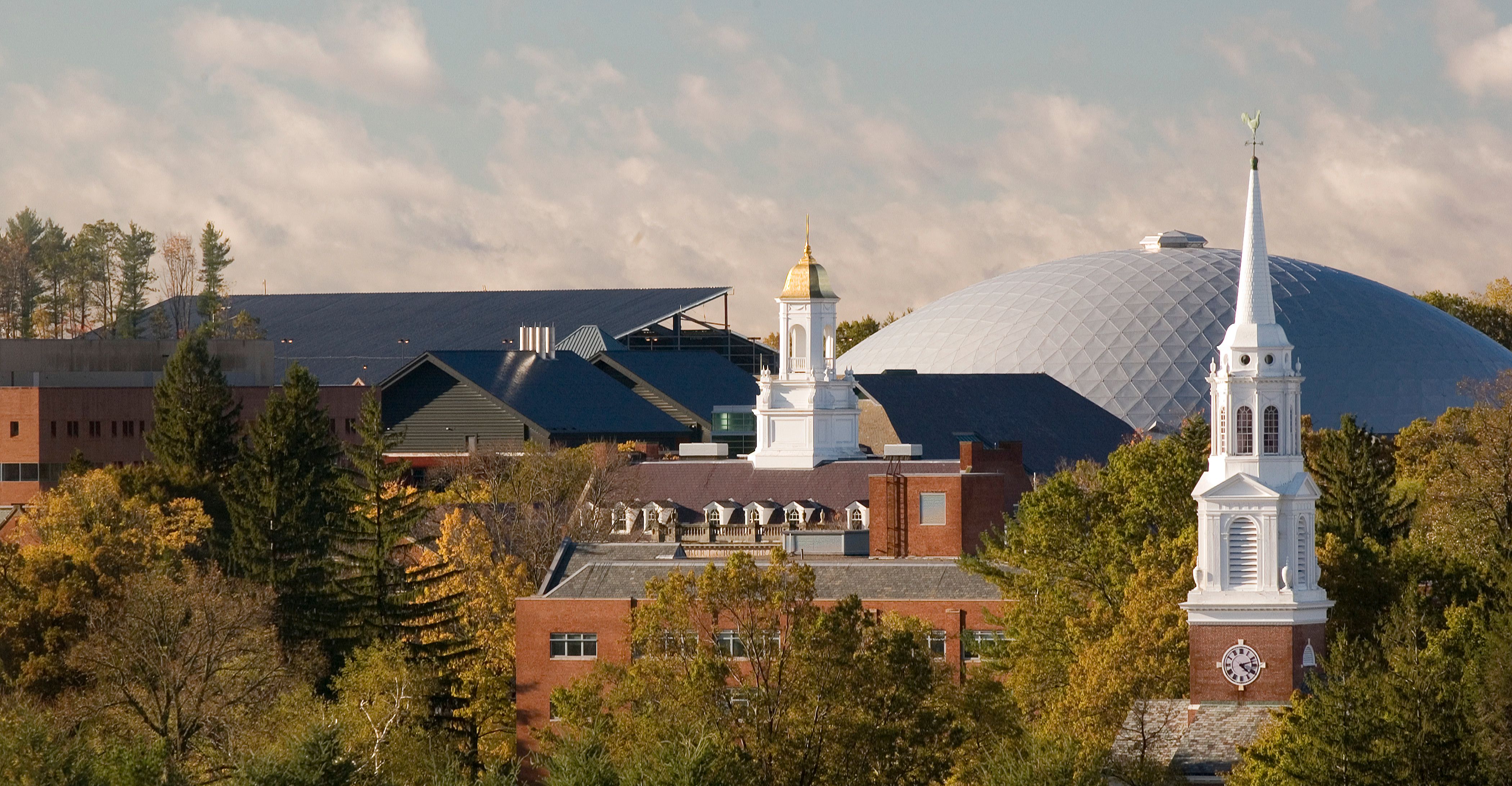
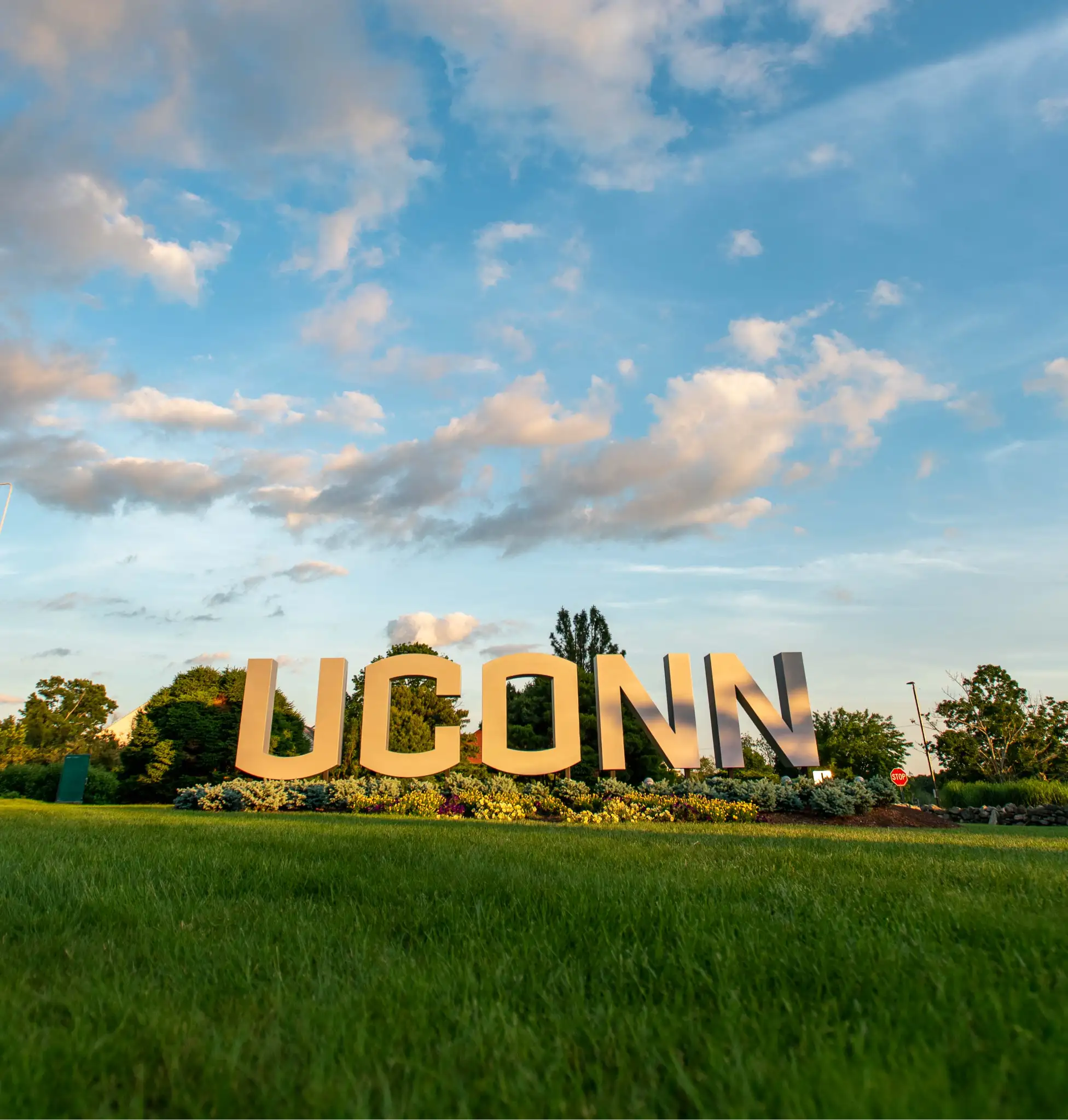
The University of Connecticut is one of the top public research universities in the nation, with more than 30,000 students pursuing answers to critical questions in labs, lecture halls, and the community. Knowledge exploration throughout the University’s network of campuses is united by a culture of innovation. An unprecedented commitment from the state of Connecticut ensures UConn attracts internationally renowned faculty and the world’s brightest students. As a vibrant, progressive leader, UConn fosters a diverse and dynamic culture that meets the challenges of a changing global society.
Image Gallery

-cropped.qJcE9wL4.jpg)


ESG Program
Learn about our environmental, social, and governance program, and how we bring those values to life with green bonds, sustainable projects, and more.
News
Gov. Ned Lamont announced that Connecticut will invest more than $50 million in New Haven to spur growth in cutting-edge sectors, including $10 million for QuantumCT, a statewide initiative led by UConn and Yale
The state is tapping UConn and Yale’s quantum expertise to propel economic development in New Haven through significant infrastructure investments in emerging technologies.
On Friday, September 26, Gov. Ned Lamont announced that his administration is investing $50.5 million in infrastructure and facilities in downtown New Haven as part of the newly launched Connecticut Innovation Clusters Program. Through this investment, the state hopes to spur economic growth by nurturing innovation in emerging technologies, including artificial intelligence and quantum technology, with transformative potential for Connecticut’s core industries.
“Every day in downtown New Haven, workers are developing the cutting-edge research, technologies, and products that are changing the world and propelling Connecticut forward as a leader in the fields of life sciences and quantum technologies,” Governor Lamont said. “We want to build on this foundation, encourage new growth, and further cement New Haven’s reputation as a groundbreaker in these sectors. These targeted investments in the downtown neighborhood’s public infrastructure and facilities will enable us to further partner with these businesses and accelerate job growth and more opportunities here in Connecticut.”
The investment includes $10 million for QuantumCT, an initiative launched in 2022 by UConn and Yale and supported by state, industry, education, and municipal organizations statewide, to elevate Connecticut as the nation’s leading accelerator of quantum technology and applications. The Governor’s Office and Department of Economic and Community Development (DECD) see UConn and Yale as critical to the success of the New Haven Innovation Cluster. For UConn, that means applying expertise in priority research areas such as advanced manufacturing, materials and sensors, and translational research.
“Connecticut has one of the nation’s strongest concentrations of early adopters of quantum technologies, positioning the state as a leader in this emerging field,” said Pamir Alpay, vice president for research, innovation, and entrepreneurship for UConn. “By working closely with industry partners, we are advancing near-term applications that will lay the foundation for a quantum-enabled future.”
Michael Crair, Yale’s vice provost for research, also touted the investment’s potential to help grow Connecticut’s quantum sector.
“This investment will allow Yale, UConn, the City of New Haven, and our partners to accelerate the translation of quantum and bioscience research into applications that benefit Connecticut’s communities and economy,” said Crair. “By building shared infrastructure and training the next generation of innovators, we can ensure that quantum technologies take root and grow here in Connecticut. It’s an exciting step forward for our city and state.”
The full $50.5 million is earmarked for the following projects and organizations:
• $10 million for QuantumCT to provide financial support for its nonprofit entity, including quantum computing infrastructure and testbed deployment
• $17.5 million in public infrastructure improvements to support development, including stormwater management and climate-resistant mobility
• $14.5 million to facilitate development of a 200,000-square-foot facility for the city of New Haven and 277,000-square-foot planned life sciences building on the site of the former New Haven Coliseum
• $4.2 million for a multi-pedestrian corridor connecting Union Station to downtown
• $3 million to BioCT to activate programming within the cluster
• $1.3 million to create a 4,500-square-foot New Haven Innovation Center
“The strategic value of this investment is enormous, as we are essentially doubling down on areas where Connecticut already has competitive advantages,” said Daniel O’Keefe, DECD commissioner and the state’s chief innovation officer. “Supercharging our life sciences and innovation capacity will have far-reaching positive impacts on the state’s ability to attract new talent, investment, and companies, as well as strengthen our overall competitiveness.”
The QuantumCT initiative has established the same-named nonprofit organization that coordinates projects and quantum applications throughout the state.
“Being selected for the Innovation Clusters Program affirms the central role QuantumCT will play in shaping Connecticut’s future economy,” QuantumCT CEO Albert M. Green, said. “By bringing together universities, companies, and investors, we are creating the infrastructure, talent pipeline, and partnerships needed to make Connecticut the place where next-generation industries take root and grow. This award sends a clear signal that Connecticut is committed to investing in transformative technologies that will drive competitiveness, attract global companies, and create opportunity for our residents for decades to come.”
The state’s investment marked one of two major milestones for QuantumCT announced this month. On September 18, the UConn-led QuantumCT proposal was named a finalist in the National Science Foundation’s Regional Innovations Engines Program competition. If successful, the proposal could receive up to $160 million in federal funds to further develop quantum-related technologies and workforce in Connecticut. UConn and Yale will host an NSF site visit in December, and the winning proposals are expected to be announced in early 2026.
QuantumCT draws on UConn’s Quantum Alliance, a grass-roots, collaborative platform that brings together researchers from across all campuses in the state, including UConn Health. The Alliance promotes networking and engagement of the more than 75 UConn faculty who are active in quantum sciences and engineering. Goals of the Alliance include advancing quantum innovation and discovery and strengthening educational opportunities for the next generation.
UConn was recognized in the latest Association for the Advancement of Sustainability in Higher Education (AASHE) Sustainable Campus Index (SCI) as a Top Performer. Areas where UConn excelled included coordination and planning, as well as campus engagement.
The SCI ratings rely on the Sustainability Tracking, Assessment & Rating System (STARS), which is a self-reporting framework for higher education institutions to track their sustainability efforts. UConn has consistently ranked high in the SCI since the University started participating in the program in 2013. STARS looks at sustainability efforts taken by colleges and universities in the areas of academics, engagement, operations, planning and administration, and innovation and leadership.
Director of the Office of Sustainability (OS), Patrick McKee says these rankings are important for sharing more widely UConn’s performance as a sustainable university.
“I think the visibility that we receive through these rankings is significant because they feed into a number of other publications like the Princeton Review Guide to Green Schools, which students consider when making their decisions on where to attend college,” says McKee.
Achieving this level of success is a team effort, and McKee says students are key. McKee prioritizes student professional development and experiential learning and since he joined the OS in 2018, student opportunities have grown substantially. From just a handful of undergraduate students, the OS team has expanded to over 40 undergraduate interns and graduate assistants across four different internship programs with more eager applicants every year for the growing roster of programs, projects, and initiatives.
McKee says there are many ways students can get involved, and one example is by serving as Outreach Interns.
“They serve as sustainability ambassadors, peer educators, and extra hands whenever we need help for sustainability outreach events,” says McKee. “There is one ambassador in each residential hall area, and we have one graduate student who oversees the program.”
OS intern Claire Lawrence ’26 (CLAS) took the lead in completing UConn’s submission for this year’s SCI, demonstrating the importance of student involvement and teamwork.
“STARS has been my main goal. We were moving from the STARS 2.2 to the new STARS 3.0 and the process helped me be more familiar with UConn, because every part of UConn goes into the rating. Through the process, I got a general impression of our rating and what that means, and how we can improve from there,” says Lawrence. “When it comes to filling out the survey and getting all the data points, luckily, it’s a whole office initiative, and we can get support from all of our interns, and that’s great.”
Sustainability interns also create platforms and resources to help connect and educate the campus community. For example, student interns have created resources like the Environmental Justice Toolkit to educate others about the intersections of environmental and social justice, and the ECollaboration Sustainability Network to connect sustainability-minded students, faculty, and staff.
“We are also adding a zero-waste graduate student coordinator to support Zero Waste initiatives, including oversight of the Thrift Den that was added to the OS scope of responsibility last year. Graduate students can serve as points of contact for driving some of these initiatives,” says McKee.
The demand for these positions is high, says McKee. This year the OS had over 90 applicants to fill seven Sustainability Intern positions. They had another 85 applicants for the Outreach Intern positions and another 85 applicants for the UConn@COP program. The growing demand speaks to the increasing need for these kinds of efforts in higher education. Coupled with the academic programs and the environmental literacy general education requirement, McKee says there are many aspects to attract students who are passionate about the environment to UConn.
“UConn students get a taste for what it means to be a responsible environmental steward, and through the Office of Sustainability, we engage with them in different types of events, like the Haunted HEEP where we had 1,200 students attend last year. We keep trying to be creative in our efforts to engage students of all backgrounds and academic disciplines,” says McKee.
The SCI achievement for excellence in coordination and planning speaks to the importance of UConn’s Sustainable Policy, Energy, and Environment Advisory Committee (SPEEAC), says McKee, which will continue to be integral for establishing and driving ambitious sustainability goals that the university can work toward.
“Collectively, we can try to move the needle. The council is comprised of over 60 university leaders and students from Storrs, regional campuses, and UConn Health, which convenes twice a year,” says McKee. “We meet to come up with ideas, develop strategies, and working groups for recommendations to present to the president’s office and then work toward achieving those goals.”
McKee says they are also eager to expand the UConn@COP program by sending students and faculty to different United Nations Conferences of Parties, such as the United Nations Biodiversity Conference.
The ranking as an SCI top performer and growing student interest in environmental stewardship are a testament to the efforts of the Office of Sustainability to build a greener UConn.
“The UConn community should be proud of its collective efforts over the years to reduce its environmental impacts and to prepare students to be change agents in their careers. That said, the work is truly just beginning,” says McKee. “We still have an immense carbon footprint to mitigate and will need all-hands-on-deck to achieve carbon neutrality and other future goals. We don’t want to just be a global leader in higher education sustainability; we want to be THE leader. I’m extremely excited about the opportunities that lie ahead, and I know that our students share in that excitement.”
The multi-year project to overhaul and expand one of UConn’s largest, most visible, and most heavily used academic buildings will soon enter its final stretch with the start of the last phase of renovations.
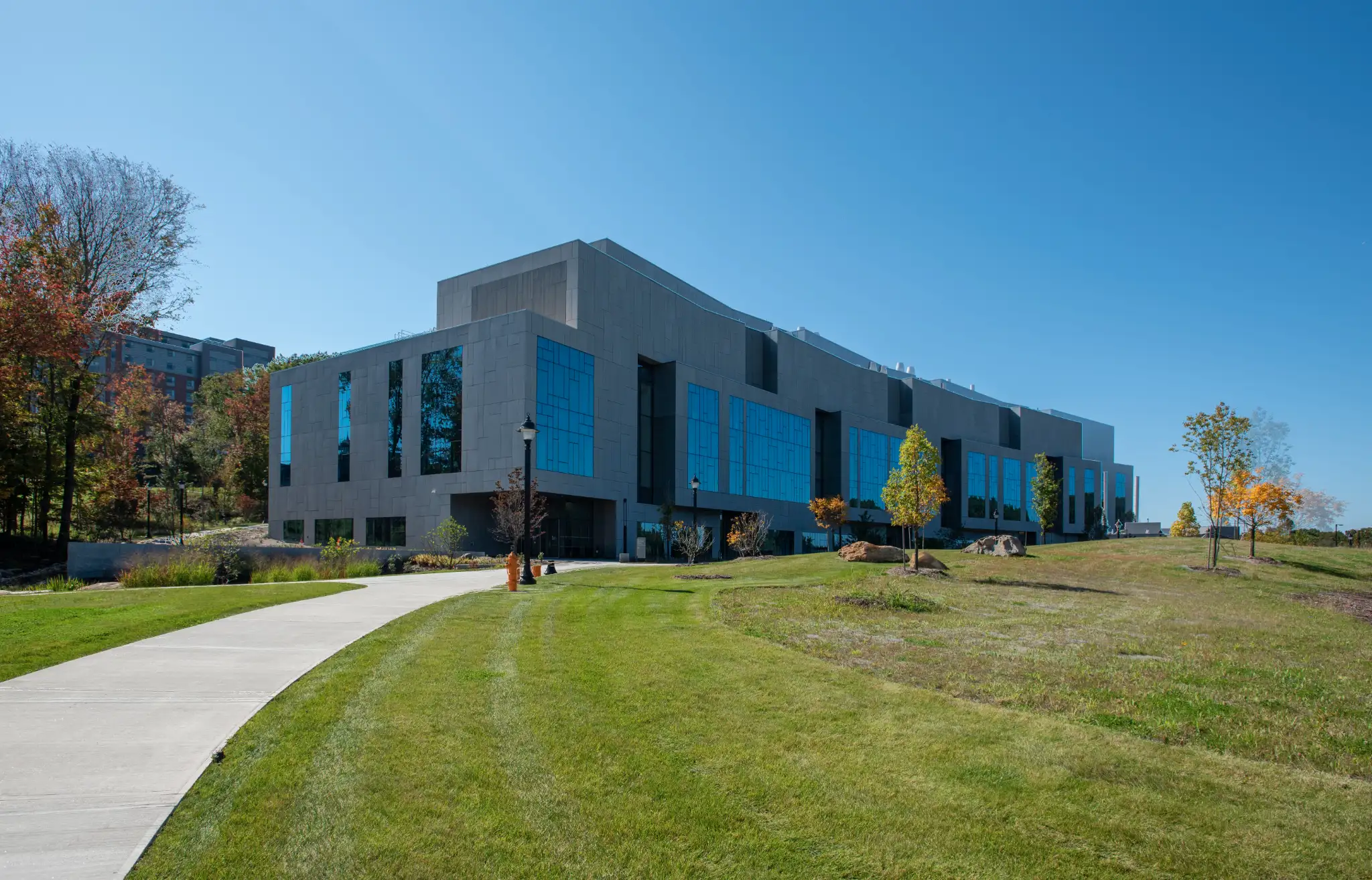
The Gant Science Complex, often described colloquially as the workhorse of UConn’s academic infrastructure at Storrs, has undergone extensive renovations that started in 2018 and have significantly transformed much of the once-outdated structure.
If all remains on schedule, work is slated to begin this summer on the final phase of renovations at the complex, which fronts North Eagleville and Auditorium Roads.
Completion of the project will mark a milestone for UConn, which received funding for the work under the state’s Next Generation Connecticut initiative.
That visionary program is part of the larger UConn 2000 initiative, which has built the state’s innovation economy through investments in its flagship university, as supported by generations of Connecticut legislators and governors since the mid-1990s.
NextGenCT included construction of UConn’s Science 1 building in addition to the Gant renovations. Science 1 opened nearby in 2023, complementing Gant as interdisciplinary research facilities that anchor the university’s Northwest Science District.
Both buildings support goals in the 10-year Strategic Plan, including expanding UConn’s research impact, powering a thriving Connecticut, and promoting holistic student success.
“The hallmarks of a great university are not only the research and academic knowledge it produces, but also its commitment to providing the modern labs, learning spaces, and support facilities that cultivate that important work,” says Anne D’Alleva, UConn’s provost and executive vice president for academic affairs.
“We often jokingly refer to the Gant Science Complex as the workhorse of our Storrs campus because so much of the hands-on research, teaching, and collaborative learning takes place there on a daily basis,” she says. “The renovations of this important complex will be integral to UConn’s ability to reach new heights and power the Connecticut innovation economy.”
The U-shaped Gant Science Complex houses several academic departments and their associated classrooms, lecture halls, teaching and research laboratories, faculty offices, and support space.
It was built between 1970 and 1974 and is named for the late Edward V. Gant, a longtime engineering professor who also served three stints as UConn’s acting president. He died in 1985.
The science complex that bears his name had about 285,000 gross square feet of space at the start of the renovation, with the current project adding about 25,000 additional square feet upon completion.
The first phase of renovations, which involved Gant South, was completed in 2019, followed by a two-year renovation period at Gant West. In both cases, the full wings were overhauled along with the connector between the wings and the central plaza.
A central Light Court area, a new signature feature of the complex, was completed and occupied in January 2020.
The phased approach has allowed UConn to continue using large portions of the complex even when other areas were under construction, minimizing disruption to academic operations and eliminating the need for temporary facilities.
Construction on the last phase will start this summer if all remains on schedule with bidding, timely availability of equipment, and other factors.
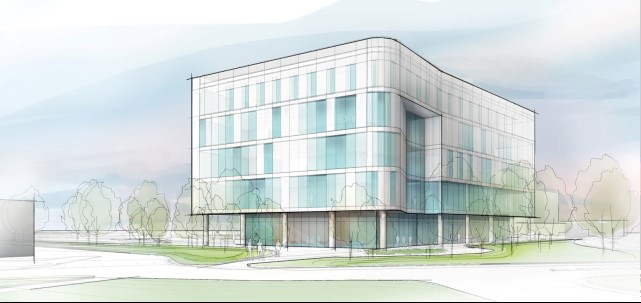
The third and final phase of work at Gant will involve renovating and expanding the North Wing and its connector to the West Wing and includes a fourth-floor addition for advanced research.
The renovated North Wing will offer updated laboratory teaching facilities and support spaces for the Department of Ecology & Evolutionary Biology, as well as multidisciplinary science teaching labs and teaching labs for Biology 1000 level courses on the ground through second floors.
Support spaces include a new advising and tutoring center for the College of Liberal Arts & Sciences and a new facility for biology central storage. The third and fourth floors will be prepared for future advanced research activities.
UConn’s Board of Trustees recently gave its approval to begin working toward the final phase, which would start with demolition and abatement, site work, and purchasing equipment with long lead times for delivery.
In addition to the interior renovations, the building’s façade and roof are being reconstructed to better prevent leaks and save energy, while the outdoor plaza area is being improved to be more inviting and accessible to the campus community.
If all remains on schedule, the renovated North Wing will open during the 2027-28 academic year.
The project also aligns with UConn’s commitment to sustainability and environmental stewardship, meeting Connecticut High Performance Building standards and aiming for LEED Gold certification.
LEED-certified buildings are designed with methods to reduce operating costs, conserve energy and water, cut down on waste sent to landfills, reduce harmful greenhouse gas emissions, and ensure a healthy working environment for occupants. The U.S. Green Building Council confers the certification after a review process.
Projects

Team

Margaret “Peggy” McCarthy


Talk to us
Have questions? Reach out to us directly.